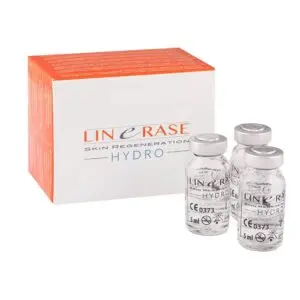

Polynucleotides are the latest buzz in the aesthetic and medical fields, rapidly gaining traction for their impressive benefits in skin rejuvenation and repair. Often referred to as DNA fragments or DNA derivatives, polynucleotides are long-chain molecules derived from natural sources, commonly salmon DNA. They have become a valuable tool for clinics seeking treatments that go beyond superficial improvements, offering restorative solutions for patients focused on achieving long-term skin health.
Polynucleotides boast unique properties that make them ideal for skin regeneration. They work by hydrating the skin and promoting cell regeneration. When introduced into the skin via injection, they stimulate fibroblasts—cells essential for collagen production—and improve tissue elasticity. Beyond hydration, polynucleotides are excellent in combating the oxidative stress caused by aging, pollution, and UV radiation. They ensure tissues are protected, repaired, and rejuvenated, making the skin look plumper, smoother, and more youthful.
One of the reasons polynucleotides are becoming popular with clinics is their versatility. These molecules not only address common aesthetic concerns like wrinkles, fine lines, and dull skin but are also used in scar healing and post-surgery recovery. Their ability to heal and restore tissue makes them an essential addition to clinics focused on holistic and personalized patient care. Results are typically long-lasting, making them a preferable option for individuals looking to invest in sustainable skin health.
Polynucleotides are frequently paired with other advanced skin treatments for enhanced results. When used alongside treatments like microneedling or platelet-rich plasma (PRP) therapy, they amplify the overall effectiveness, providing a synergistic approach to skin therapy. Clinics are increasingly incorporating them into treatment menus to stay ahead of industry trends and meet the growing demand for innovative, effective solutions.
For both patients and clinicians, polynucleotides represent a promising frontier. Their foundation in scientific research ensures safety and efficacy, while their natural origins cater to the demand for minimally invasive, biocompatible options. By focusing on skin health on a cellular level, clinics offering polynucleotide treatments position themselves as leaders in cutting-edge, results-driven care.